Top Emerging Technologies Transforming Industrial Engineering in India
Top Emerging Technologies Transforming Industrial Engineering in India
: A New Era for Industrial Engineering
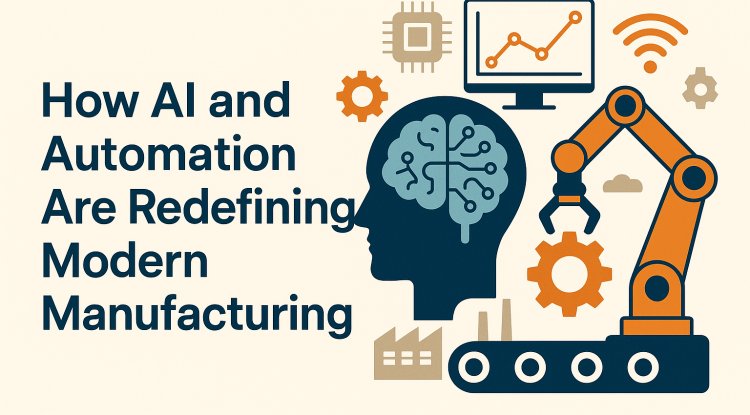
In the rapidly evolving landscape of industrial engineering, AI (Artificial Intelligence) and automation are no longer futuristic concepts—they are reshaping how India manufactures, processes, and delivers products today. With Industry 4.0 gaining momentum, these technologies are becoming central to enhancing productivity, improving quality, and driving sustainable growth across sectors.
India, with its expanding manufacturing base and increasing tech adoption, is witnessing a wave of transformation driven by these innovations. From smart factories to predictive maintenance and autonomous machines, emerging technologies are opening up new possibilities for efficiency and competitiveness in industrial operations.
Understanding the Technology: What Is Driving the Change?
Before diving into the impacts, let's briefly define the technologies leading this change:
-
Artificial Intelligence (AI): The simulation of human intelligence in machines, enabling them to learn from data, identify patterns, and make decisions with minimal human intervention.
-
Automation: The use of control systems (like robotics and software) to operate equipment and processes with reduced human involvement.
-
IoT (Internet of Things): Devices and sensors connected via the internet that collect and share data, often used in industrial settings for real-time monitoring.
-
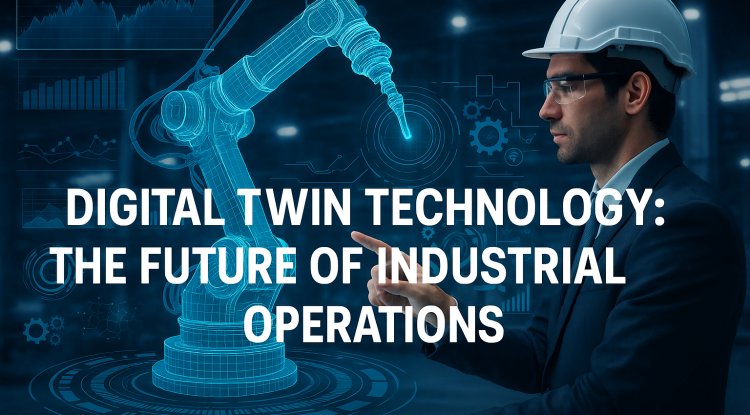
Digital Twin: A virtual replica of a physical process or product, allowing for simulations and predictive analysis.
-
Additive Manufacturing (3D Printing): Layer-by-layer construction of components from digital models, revolutionizing prototyping and customization.
⚙️ Real Impacts: How AI and Automation Are Transforming Manufacturing
1. Enhanced Production Efficiency
With AI-powered systems, machines can now monitor themselves, predict failures, and optimize operations automatically. Smart production lines in sectors like automotive and electronics are using real-time data to reduce downtime and boost output.
Case in Point:
Tata Steel implemented an AI-based predictive maintenance system that reduced unplanned breakdowns by over 20%, improving overall plant efficiency.
2. Cost Reduction and Waste Minimization
Automation helps reduce manual errors, energy consumption, and material wastage. Robotic process automation (RPA) also streamlines administrative and back-end tasks, reducing overheads.
Example:
Bharat Forge uses automated machining lines that significantly reduce rework costs and energy use, resulting in notable savings annually.
3. Superior Quality Control
Computer vision and AI-based inspection systems can detect microscopic defects in products that are often missed by the human eye.
4. Smarter Supply Chain Management
AI helps predict demand, optimize inventory, and manage logistics more effectively. Combined with IoT, supply chains become more agile and responsive to market changes.
Real World Application:
Mahindra & Mahindra adopted AI-driven logistics planning that led to a 12% reduction in delivery times and better inventory turnover.
✅ Overcoming Barriers: Steps Toward Smart Manufacturing
-
Start Small, Scale Smart
Pilot projects in automation can help demonstrate ROI before scaling across facilities. -
Invest in Talent & Training
Collaborating with tech institutes and launching in-house training programs helps close the skills gap. -
Leverage Government Support
India’s Production Linked Incentive (PLI) Scheme and Digital India Mission are encouraging tech-driven manufacturing through financial incentives and policy support.
Future Outlook: Where Are We Headed?
The future of industrial engineering in India is deeply intertwined with digital transformation. As 5G rolls out and cloud computing becomes more accessible, even MSMEs will start embracing smart technologies. In the next 5–10 years, we can expect:
-
Widespread adoption of Digital Twins
-
Autonomous factories with minimal human intervention
-
Data-driven decision-making as a standard business model
-
Rise of “lights-out” manufacturing – fully automated production lines that can operate without lighting or supervision
Conclusion: The Path Forward
India’s industrial sector is at a defining moment. AI and automation are not just tools for improvement—they're essential enablers of global competitiveness and innovation.
Key Takeaways:
AI and automation boost efficiency, reduce costs, and improve quality.
Challenges include workforce adaptation, cybersecurity, and investment costs.
Starting with pilot projects and leveraging policy support can ease the transition.
The future holds massive potential for growth, innovation, and global leadership in smart manufacturing.
What's Your Reaction?