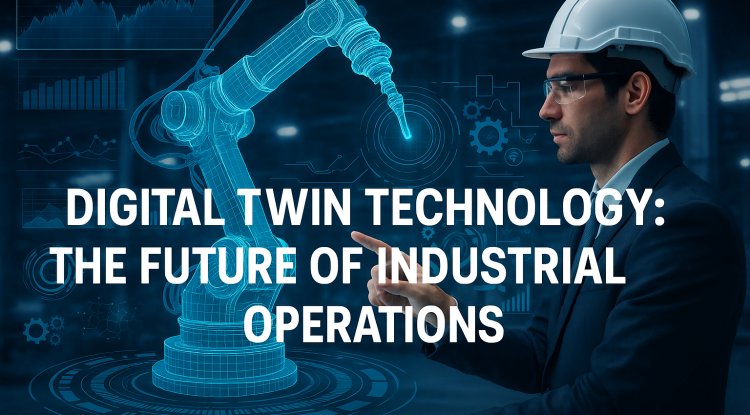
Digital Twin Technology: The Future of Industrial Operations
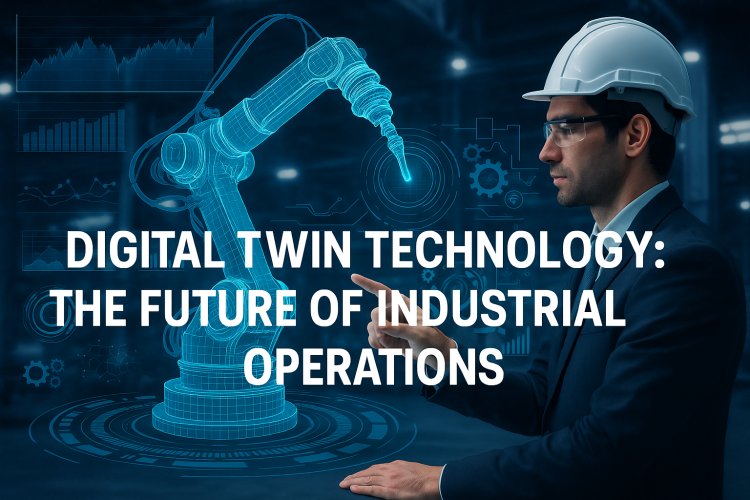
Digital Twin Technology: The Future of Industrial Operations
Imagine being able to replicate every process, machine, and movement in your industrial plant—not just physically, but digitally—and then optimize it in real-time. Welcome to the world of digital twin technology.
It's not just a futuristic idea; it's rapidly becoming a practical tool for improving efficiency, reducing downtime, and driving smart decision-making in industrial operations.
What Exactly Is a Digital Twin?
It uses real-time data collected through sensors and IoT devices to simulate, analyze, and optimize the performance of that physical entity. Think of it as a high-tech mirror that not only reflects what's happening on the shop floor but also predicts what might happen next.
This powerful tool is being used to:
-
Monitor performance in real-time
-
Detect anomalies or failures before they occur
-
Test improvements virtually before applying them physically
-
Support predictive maintenance
Why It’s a Game-Changer for Industrial Operations
1. Enhanced Operational Efficiency
By simulating scenarios digitally, companies can streamline operations, reduce waste, and minimize trial-and-error on the physical floor. This leads to better planning, faster time-to-market, and leaner manufacturing.
2. Real-Time Performance Monitoring
From turbines to robotic arms, digital twins track every movement and variable in real-time, giving engineers live insights into the health and performance of critical assets.
3. Improved Product Development
Digital twins allow for virtual prototyping and testing, accelerating innovation cycles and ensuring better quality before a product hits the market.
4. Cost Reduction
Whether it's energy usage, material consumption, or equipment lifecycle, digital twins help identify inefficiencies and lower operational costs across the board.
Real-World Applications in Industry
-
Automotive: Companies like Tesla and BMW use digital twins to test vehicle features and simulate road conditions.
-
Oil & Gas: Digital twins of offshore platforms help monitor performance and plan maintenance in harsh environments.
-
Manufacturing: Smart factories are integrating digital twins to manage inventory, machine performance, and production quality.
-
Pharmaceuticals: Digital twins optimize complex production lines, ensuring compliance with safety and quality standards.
India’s Growing Adoption of Digital Twin Technology
Startups and large enterprises alike are exploring this technology to remain competitive in global supply chains and meet increasing demands for efficiency and customization.
Challenges Ahead
While the benefits are clear, some hurdles remain:
-
High initial investment
-
Integration complexity with legacy systems
-
Data privacy and cybersecurity concerns
-
Skilled workforce requirement
However, with advancing technology, falling sensor costs, and increasing cloud infrastructure, these challenges are quickly being addressed.
The Road Ahead
Digital twin technology is not just a trend—it's a strategic enabler of the future. As industries shift toward data-driven, connected ecosystems, digital twins will play a central role in reshaping operations from the ground up.
For Indian businesses, this is an opportunity to leapfrog traditional barriers and become truly competitive on a global scale.
What's Your Reaction?